Edition 3

1. Database update
Research is well underway and the first set of claimants and those they enslaved have been added to the website under “Search the Database”. You will see over time that about a third of all claimants were based in the UK and as “absentee landlords” they largely didn’t live or even visit Grenada but benefited hugely from the system making claims for the majority of those enslaved in Grenada. There are a lot of smaller claims made by those who stayed on the island. A good number of these will have been made by the “free-coloured” population.

While it is true that some free people embraced the values of the planter class and used their position to rise socially by imitating the very structures that oppressed them. This shows how thoroughly slavery shaped Caribbean society. It was possible for marginalised people to oppress others while trying to escape oppression themselves.
This sounds perverse but it is important to understand the complexities that prevailed here.
Freedom was fragile in those days. Laws made it easy for black or mixed people to be seized, re-enslaved or stripped of their property. For many free coloured families, owning enslaved people became a way to signal legitimacy and belonging in a world built on racial hierarchy.
Some individuals inherited enslaved people from their white fathers, or mixed-race parents. These inheritances were not optional: enslaved people were legally classed as property, and passing them on was a standard probate requirement. Many free coloured people tried to use this inherited property to protect the very people they inherited.
Sometimes they registered them as enslaved while treating them as kin, waiting for the right moment to manumit them when funds or legal circumstances allowed. Manumission fees, taxes, and sureties were high and so registering a relative as enslaved might be the only viable way to keep them safe from being seized by planters or sold.
You would imagine that a freed person would simply reject the notion of enslaving others. However, the colonial economy offered almost no other routes to survival or upward mobility. Land ownership, skilled crafts, and trade were often restricted. Enslaved labour was the backbone of the economy, so those who wished to run a small farm, a workshop, or a household often needed labourers, yet they were legally prohibited from hiring free Black labourers in some places. So, the system forced participation. Even people who disliked slavery were boxed into using enslaved labour because the colonial state allowed little alternative.
Some used ownership to shelter people, especially partners, children, or otherwise vulnerable people. This prevented their sale to brutal estates, ensured they remained together, and sometimes worked quietly toward eventual manumission.
What is most remarkable about those that were affected by this system is that they endured it and went on to rebuild lives, community, culture and dignity out of conditions deliberately designed to destroy all three.
So the website now features the following claimants:
Frederick and Mary Aberdeen were a free coloured couple of modest means living on the Providence Estate in St Andrew, whose daily lives reflected the quiet stability and limited opportunities of Grenada’s small property-holding families in the years surrounding emancipation. They enslaved a girl called Reine. Her life was likely defined by domestic labour and carried the quiet endurance of someone entering womanhood as Grenada moved from enslavement to freedom.
We are yet to establish whether Frederick was related to the other Aberdeens (of Scottish origin) who became part of Grenada’s free coloured community. This family rose in status through property, public service and the manumission that reshaped their family line. The people they enslaved lived under coercion, sale, illness and constant uncertainty, yet their recorded lives reveal extraordinary resilience in the face of bondage.
The Aerstins were small-scale but active enslavers, transferring, selling, and inheriting people between 1817 and 1834. The individuals they held endured repeated displacements yet demonstrated resilience, with some living to see emancipation and shaping Grenada’s future communities.
Eleanor Alder was based in St George’s, Grenada. She depended on the labour of three Black enslaved women to run her small household. Though illiterate and far from wealthy, she actively participated in the enslavement system, to sustain her daily life.
2. Blogs
We added a new blog called “Why Reparative Storytelling Matters”. Reparative storytelling is about telling the truth to recover the experiences of people harmed or erased by history in order to honour their lives and support justice-focused understanding today.
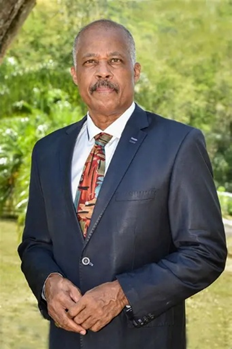
The blog reflects on Professor Sir Hilary Beckles’ powerful lecture on reparatory justice, tracing how Britain’s chattel slavery system generated immense wealth through the exploitation and long-term impoverishment of Caribbean peoples, and how its effects continue today in public health crises, underdevelopment and structural inequality. Beckles clarifies that CARICOM is not looking for reparations in terms of cash handouts. He outlines the need for a genuine development partnership with Britain in areas such as health, education, technology, climate resilience and debt relief, all grounded in the principles of CARICOM’s 10-Point Plan for reparations. He emphasises that reparatory justice is a global, moral project rooted in truth-telling, historical clarity and partnership and that many British institutions are beginning to confront their past.
3. Social Media
If you’re following the Depths of Paradise project and want to explore other aspects of Grenadian history, community stories, and family connections, I warmly encourage you to join the conversations over on the Grenada Genealogical and Historical Society (GGHS) Facebook group.
With over 12,000 members, GGHS is one of the most active spaces for sharing knowledge about Grenada’s more recent history, building family trees, solving research puzzles, and even helping people reconnect with long-lost relatives.
It’s a welcoming, generous community where every question adds value and your voice will genuinely make a difference. Come chat, share, ask, and connect!
4. How to get involved
Depths of Paradise is a community project, and we would love you to be part of it. Here’s how you can get involved:
- Subscribe to our newsletter for updates and reflections
- Join the Debate on Facebook: Share your thoughts, ask questions, and take part in conversations about Grenada’s history and its legacies on the Facebook group (Grenada Genealogical and Historical Society Online). What does reparative justice mean for Grenada? How should we commemorate the lives of those who struggled?
- Send us your stories. Do you have family stories, documents, or even oral histories connected to life in Grenada from 1763 -1900? This could help us to recognise the resilience, adaptation, and community-building for the decades after British rule and post emancipation.
- We welcome contributions that help bring this history alive. Every voice adds to the richness of the archive. If you have portraits, estate documents, or symbolic art to share, we’d love to include them.
So, drop us a message, comment on Facebook, or email us. Your voice is part of this archive. The strength, courage, and bravery of the enslaved are the foundation on which modern Grenada stands. Their resilience teaches us not only about survival but about the power of hope and renewal.
Depths of Paradise is a resource for us all to share. By facing the past honestly, we can shape a future built on dignity and unity.